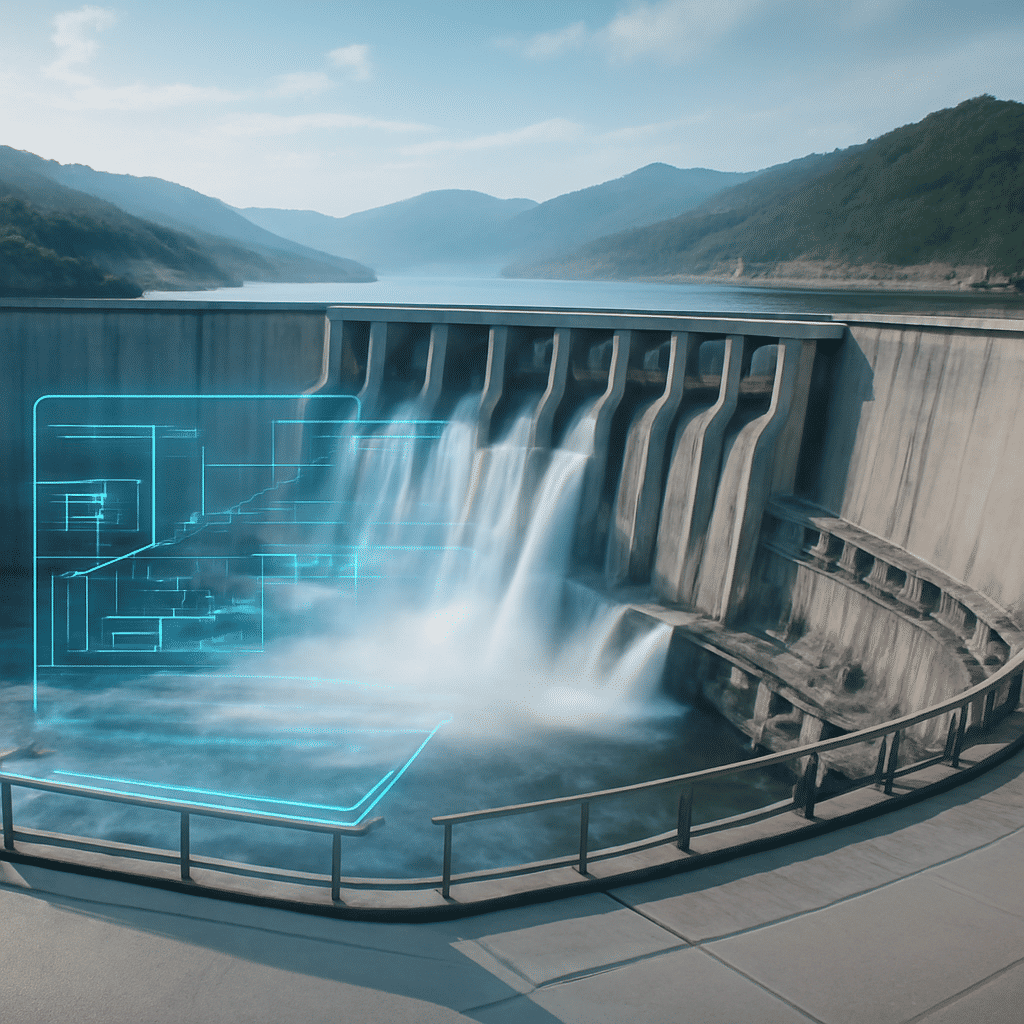
The confluence of quantum innovations and hydro energy is ushering in a new era of possibilities, offering a glimpse into a future where energy harvesting from water sources becomes markedly more efficient. While hydro energy is already one of the most reliable and clean sources of power generation, recent advancements in quantum technologies promise to enhance its potential significantly.
Quantum Sensing and Monitoring
One of the primary areas where quantum technologies are poised to make a substantial impact is in the realm of sensing and monitoring. Quantum sensors, celebrated for their unprecedented precision, could radically improve the ways in which we monitor water flow, pressure, and other critical parameters in hydro power systems. By deploying these sensors, we can gain real-time insights into the health and efficiency of hydroelectric facilities, ensuring that they operate at peak performance levels while minimizing environmental disruption.
Optimizing Energy Conversion
In the traditional hydroelectric setup, kinetic energy from flowing or falling water is converted into electricity. However, there remains an intrinsic energy loss in this conversion process. Quantum mechanics-based materials, such as topological insulators and superconductors, might offer pathways to reduce these losses. These materials can facilitate more efficient transport of electrical current, thus enhancing the overall efficiency of hydroelectric plants. By integrating such advanced materials into existing infrastructures, we could see significant improvements in energy output without the need for additional water resources.
Advanced Computational Models
Quantum computing is another frontier pushing the boundaries of what is possible in hydro energy. Quantum computers can process complex simulations at speeds unachievable by classical computers. Engineers and scientists could use these computers to create advanced models that predict water behaviors, energy demands, and system efficiencies with a level of detail previously beyond reach. Such insights could lead to tailor-made strategies for optimizing energy harvesting in specific geographical areas, making hydroelectric power more adaptable and efficient.
Energy Storage Solutions
One of the challenges with renewable energy sources, including hydro power, is energy storage. Quantum innovations offer potential breakthroughs in creating high-capacity, efficient energy storage systems. Quantum batteries, though still in the relatively nascent stages of development, could one day store energy with minimal losses and provide more stable energy supplies. These advancements could help in managing the fluctuating energy outputs associated with variable water levels and demands.
Reducing Environmental Impact
Hydroelectric projects, while cleaner than fossil fuel-based systems, still face criticisms related to their environmental impact, such as ecosystem disruptions and changes in water quality. Quantum technologies could assist in designing smarter, smaller-scale hydroelectric systems that minimize ecological footprints. For example, integrating quantum-enabled sensors and smart grids could lead to more targeted and efficient energy use, effectively balancing human needs and ecological conservation.
Towards a Sustainable Energy Future
As the demand for sustainable and renewable energy continues to surge worldwide, the intersection of quantum technologies and hydro energy represents a pivotal opportunity. By investing in research and development at this junction, we can look forward to a future where clean energy is not only more abundant but also more intelligent in its utilization and storage.
In summary, the marriage of quantum technologies and hydro energy heralds a promising future. As these innovations continue to mature and integrate into existing systems, they hold the potential to redefine how we generate, store, and respect our planet's natural resources. By leveraging the precision, computational power, and new material discoveries derived from the quantum realm, we can envisage hydroelectric energy playing a more central role in meeting the global energy needs of tomorrow.